
How to sharpen end mill cutter?
TonZaMaking
Introduction
End mills are a crucial tool in machining and manufacturing processes. They are used to cut, shape, and remove material from workpieces. However, after extended use, end mills can become dull and less effective. Sharpening end mill cutters is essential to ensure optimal performance and longevity.
Why Sharpen End Mill Cutters?
Sharpening end mill cutters is important for several reasons. Dull end mills can lead to poor surface finishes, inaccurate cuts, increased tool wear, and reduced tool life.
By sharpening your end mills regularly, you can maintain their sharpness and cutting efficiency, ultimately improving the quality of your workpieces and reducing production costs.
Tools and Equipment Needed for Sharpening End Mill Cutters
Before you begin sharpening your end mill cutters, you will need the following tools and equipment:
- End mill sharpening fixture
- Grinding wheel
- Diamond dresser
- Calipers or micrometer
- Lubricating oil
- Safety goggles
- Gloves
Step-by-Step Guide to Sharpening End Mill Cutters
Step 1: Prepare the End Mill Sharpening Fixture
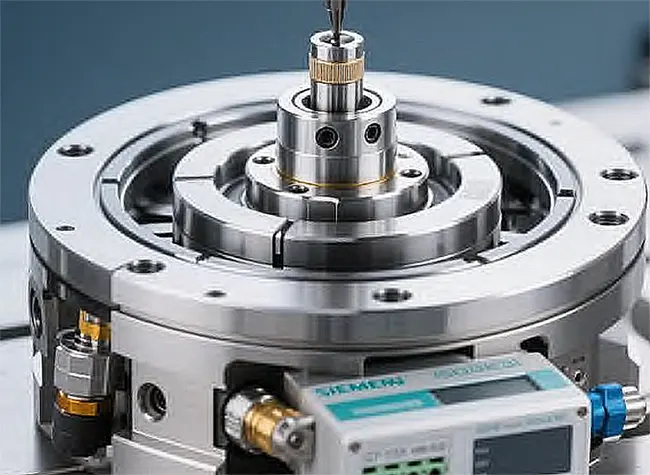
Set up the end mill sharpening fixture on your grinding machine according to the manufacturer’s instructions. Make sure the fixture is securely mounted and aligned properly.
Step 2: Adjust the Grinding Wheel
Select the appropriate grinding wheel for sharpening your end mill cutter. Adjust the wheel to the correct angle and position for grinding. Use a diamond dresser to true and dress the wheel if necessary.
Step 3: Inspect the End Mill Cutter
Before sharpening, carefully inspect the end mill cutter for any chips, cracks, or other damage. If the cutter is damaged, it may need to be replaced rather than sharpened.
Step 4: Measure the Cutter Diameter
Use calipers or a micrometer to measure the diameter of the end mill cutter accurately. This measurement will help you set the correct angles and dimensions for sharpening.
Step 5: Sharpen the Flutes
Start sharpening the flutes of the end mill cutter by grinding the cutting edge at the correct angle and depth. Take care to maintain consistent pressure and movement to ensure an even and precise sharpening job.
Step 6: Sharpen the Ends
Next, sharpen the ends of the end mill cutter by grinding the corners at the appropriate angles. This step is essential for ensuring that the cutter can effectively plunge and profile when cutting.
Step 7: Check for Sharpness
After sharpening, visually inspect the end mill cutter for sharpness and consistency. You can also perform a test cut on a scrap piece of material to ensure that the cutter is cutting cleanly and accurately.
Step 8: Lubricate and Store
Once you have sharpened your end mill cutter to your satisfaction, apply a light coating of lubricating oil to prevent rust and corrosion. Store the cutter in a dry, secure location until you are ready to use it again.
Conclusion
Sharpening end mill cutters is a necessary skill for anyone working in the machining and manufacturing industry. By following these steps and using the right tools and equipment, you can ensure that your end mills stay sharp and perform optimally for your machining projects.
Remember to regularly inspect and maintain your end mill cutters to extend their lifespan and keep your workpieces looking their best.