How does an end mill cutter work?
TonZaMaking
How Does an End Mill Cutter Work
An end mill cutter is an essential tool in the manufacturing industry, used for cutting and shaping materials. In this article, we will delve into the mechanics of how an end mill cutter works, its components, and the various applications it is used for.
Components of an End Mill Cutter
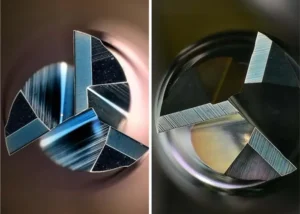
Before we discuss how an end mill cutter works, let’s first understand its components. An end mill cutter typically consists of the following parts:
- Cutting Edge: The sharp edge of the end mill cutter that actually cuts the material.
- Shank: The part of the cutter that is inserted into the machine tool’s spindle.
- Flutes: The spiral grooves on the cutting edge that help remove chips and improve cutting efficiency.
- Helix Angle: The angle between the flute and the axis of the cutter that affects chip evacuation and cutting forces.
- End Teeth: The teeth at the end of the cutter that perform the cutting action.
- Core Diameter: The diameter of the solid material at the center of the cutter.
How an End Mill Cutter Works
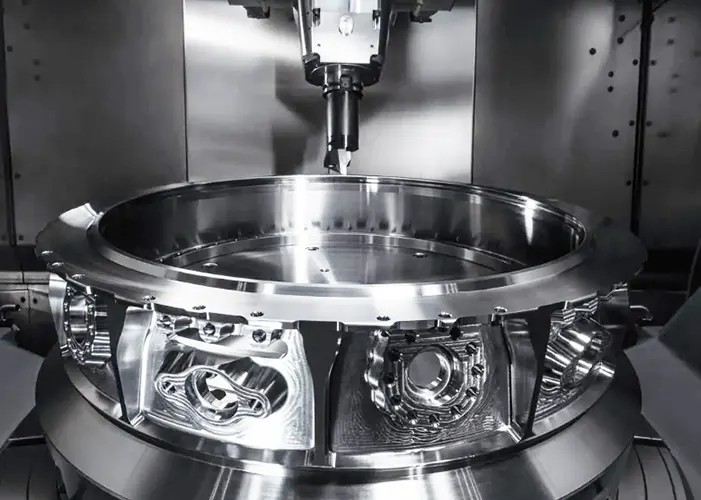
When an end mill cutter is inserted into a milling machine, it rotates at high speeds to cut and shape a workpiece. The basic process of how an end mill cutter works is as follows:
- The end mill cutter is mounted into the spindle of the milling machine.
- The workpiece is securely clamped onto the machine table.
- The milling machine is turned on, and the spindle rotates at high speeds.
- The end mill cutter is brought into contact with the workpiece, and the cutting edges remove material in the form of chips.
- The machine operator guides the end mill cutter along the desired cutting path to shape the workpiece as needed.
- As the end mill cutter removes material, the chips are evacuated through the flutes, preventing them from clogging the cutter and ensuring a clean cut.
- Once the cutting process is complete, the machine operator stops the milling machine and removes the finished workpiece.
Types of End Mill Cutters
End mill cutters come in various types, each designed for specific applications. Some common types of end mill cutters include:
- Flat End Mill: Used for general milling applications and creating flat surfaces.
- Ball Nose End Mill: Ideal for 3D contouring and profiling workpieces with complex shapes.
- Corner Radius End Mill: Used for slotting, side milling, and contouring applications where a radius is required.
- Roughing End Mill: Designed for high metal removal rates in tough materials.
- High Helix End Mill: Ideal for high-speed machining and improving chip evacuation.
Applications of End Mill Cutters
End mill cutters are used in a wide range of industries for various applications, including:
- Milling: Creating complex shapes and contours on workpieces.
- Drilling: Making holes in materials using end mill cutters with a center cutting design.
- Slotting: Cutting slots in workpieces for bolts, screws, and other fasteners.
- Profile Milling: Shaping workpieces with intricate profiles and features.
- Thread Milling: Creating threads in materials using specialized end mill cutters.
Conclusion
End mill cutters are versatile tools that play a crucial role in the manufacturing industry. Understanding how an end mill cutter works, its components, types, and applications can help engineers and machinists make informed decisions when selecting the right tool for the job.
By mastering the mechanics of end mill cutters, manufacturers can achieve precision, efficiency, and quality in their machining operations.