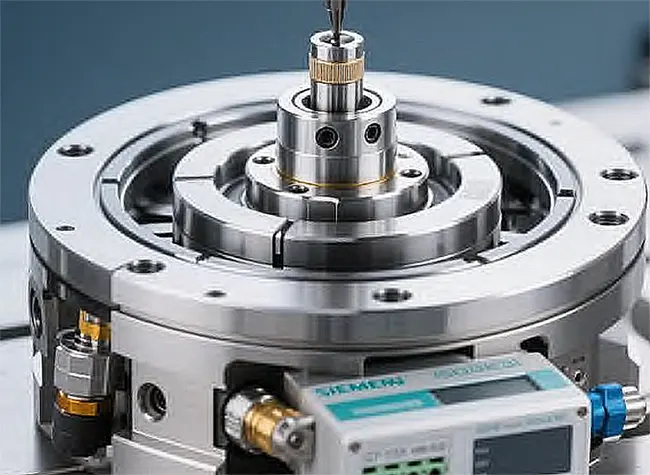

How to add a tool changer to your spindle?
TonZaMaking
Introduction
Adding a tool changer to your spindle can greatly increase the efficiency and productivity of your manufacturing processes. In this article, we will discuss the steps and considerations involved in adding a tool changer to your spindle.
Whether you are looking to automate your workflow or simply streamline your operations, this guide will provide you with the necessary information to successfully implement a tool changer.
What is a tool changer?
A tool changer is a device that allows multiple tools to be loaded into a spindle and automatically changed during machining operations.
This enables a machine to perform various tasks without manual intervention, increasing efficiency and reducing downtime. Tool changers are commonly used in CNC machines and other automated machining systems to enhance productivity and versatility.
Benefits of adding a tool changer
There are several benefits to adding a tool changer to your spindle:
- Increased productivity: Tool changers allow for rapid tool changes, reducing downtime and increasing overall machining efficiency.
- Improved accuracy: By automatically changing tools, tool changers help ensure accurate and consistent machining results.
- Enhanced flexibility: With a tool changer, you can easily switch between different tools and machining processes, making your operations more versatile.
- Reduced labor costs: Automating tool changes eliminates the need for manual tool changes, saving time and labor costs.
Considerations for adding a tool changer
Before adding a tool changer to your spindle, there are several factors to consider:
- Compatibility: Ensure that the tool changer is compatible with your spindle and machining system.
- Tool capacity: Determine how many tools you will need to accommodate in the tool changer based on your machining requirements.
- Tool change speed: Consider the speed at which the tool changer can switch between tools to minimize downtime.
- Space requirements: Determine the space available for the tool changer installation and ensure that it will fit within your workspace.
Steps to add a tool changer to your spindle
Follow these steps to successfully add a tool changer to your spindle:
- Assess your machining needs and determine the type and capacity of tool changer required.
- Select a compatible tool changer that meets your requirements and budget.
- Prepare your spindle and machining system for the installation of the tool changer, ensuring compatibility and proper alignment.
- Install the tool changer according to the manufacturer’s instructions, ensuring proper alignment and connection to the spindle.
- Calibrate the tool changer and program it to recognize and switch between tools accurately during machining operations.
- Test the tool changer to ensure that it is functioning properly and making tool changes efficiently.
Conclusion
Adding a tool changer to your spindle can significantly improve the efficiency, productivity, and versatility of your machining operations.
By carefully considering your machining needs, selecting a compatible tool changer, and following the steps outlined in this guide, you can successfully implement a tool changer and reap the benefits of automated tool changes.
Invest in a tool changer today to streamline your operations and stay ahead of the competition in the manufacturing industry.