
What is automatic tool changer?
TonZaMaking
Introduction
An automatic tool changer is a vital component in the manufacturing industry, revolutionizing the way machining processes are carried out. For engineers with a manufacturing background, understanding the intricacies of automatic tool changers is crucial for optimizing production efficiency and quality.
What is an Automatic Tool Changer?
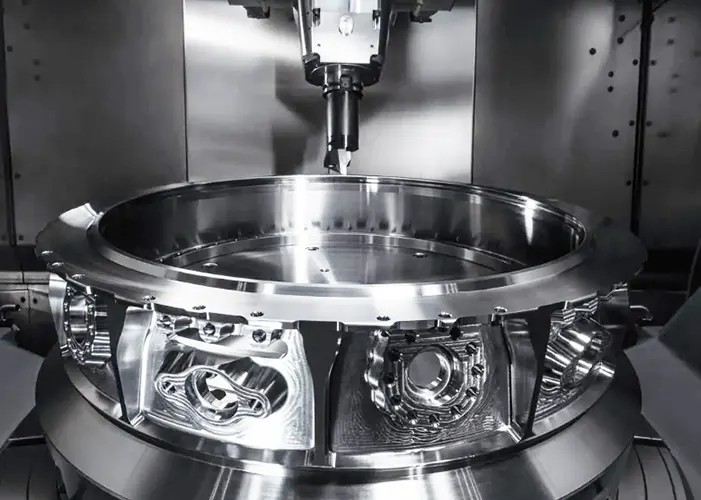
An automatic tool changer, often abbreviated as ATC, is a device used in machining operations to automatically change cutting tools on a machine tool, such as a CNC milling machine or lathe. It eliminates the need for manual tool changes, allowing for continuous operation without interruptions.
ATCs are commonly used in industries such as aerospace, automotive, and medical device manufacturing, where precision and efficiency are paramount.
How Does an Automatic Tool Changer Work?
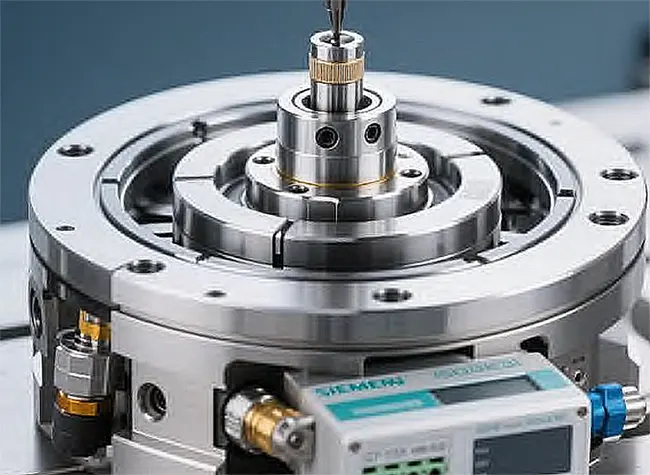
Automatic tool changers consist of a tool magazine, a tool holder, and a changer mechanism. The tool magazine stores various cutting tools, while the tool holder securely grips the tool during machining operations.
The changer mechanism is responsible for removing the current tool from the spindle and replacing it with a new one from the tool magazine.
When a tool change is required, the CNC machine sends a signal to the ATC to initiate the process. The changer mechanism locates the appropriate tool in the magazine, retrieves it, and places it in the spindle for use.
This seamless process ensures minimal downtime between tool changes, maximizing productivity and reducing operator intervention.
Benefits of Using an Automatic Tool Changer
There are several advantages to employing an automatic tool changer in manufacturing operations:
- Increased Productivity: ATCs allow for continuous machining without the need for manual tool changes, minimizing downtime and improving overall productivity.
- Enhanced Precision: Automatic tool changers ensure that the correct tool is used for each machining operation, maintaining high levels of accuracy and consistency.
- Reduced Labor Costs: By automating the tool changing process, manufacturers can lower labor costs and reallocate resources to other value-added tasks.
- Improved Safety: ATCs reduce the risk of injuries associated with manual tool changes, creating a safer work environment for operators.
- Flexibility: Automatic tool changers allow for a wide range of tools to be utilized during machining operations, enhancing flexibility and adaptability in production processes.
Importance of Automatic Tool Changers in Modern Manufacturing
With the increasing demand for high-quality products and shorter lead times, automatic tool changers play a crucial role in modern manufacturing operations. By streamlining tool changes and optimizing machining processes, ATCs help manufacturers stay competitive in a fast-paced market environment.
Furthermore, automatic tool changers enable a seamless transition between different machining operations, such as milling, drilling, and tapping, without manual intervention.
This versatility allows for complex parts to be produced efficiently and with precision, meeting the stringent requirements of various industries.
Conclusion
Automatic tool changers are an indispensable tool in the manufacturing industry, offering numerous benefits such as increased productivity, enhanced precision, and improved safety.
For engineers with a manufacturing background, understanding the functionality and importance of ATCs is essential for optimizing production processes and staying ahead of the competition.
By leveraging the capabilities of automatic tool changers, manufacturers can achieve higher efficiency, lower costs, and superior quality in their machining operations.