
What is flat bed machine?
TonZaMaking
What is a Flat Bed Machine?
A flat bed machine is a type of manufacturing equipment used in various industries, such as textiles, woodworking, printing, and metalworking. It is a versatile machine that offers a flat surface for the workpiece to be placed on, making it easier to manipulate and work on.
Components of a Flat Bed Machine
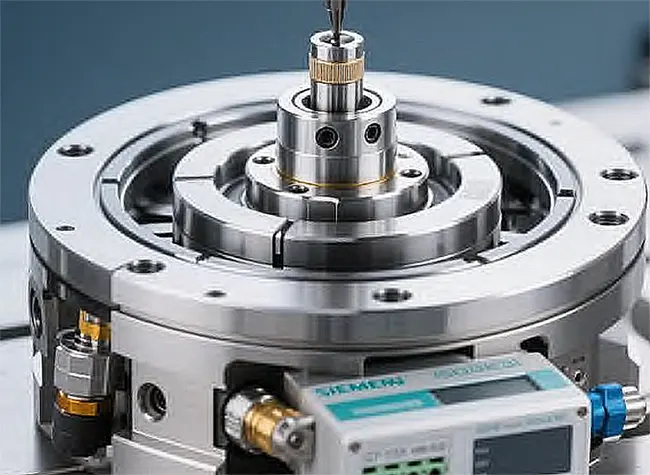
A typical flat bed machine consists of several key components that work together to perform various manufacturing processes. Some of the main components include:
- Flat Bed: The flat surface where the workpiece is placed for processing.
- Tooling: Various tools, such as cutting tools, drilling bits, or printing heads, that perform specific operations on the workpiece.
- Control Panel: The interface where operators can input commands and control the machine’s operations.
- Guideways: Linear guides that allow the tooling to move accurately and precisely along the flat bed.
- Drive System: Motors and actuators that drive the movement of the tooling on the flat bed.
Applications of Flat Bed Machines
Flat bed machines are used in a wide range of industries for various applications. Some common uses include:
- Textile Industry: Flat bed knitting machines are used to create knitted fabrics for clothing, upholstery, and industrial textiles.
- Woodworking Industry: Flat bed CNC routers are used to cut, shape, and carve wood for furniture, cabinetry, and decorative items.
- Printing Industry: Flat bed printers are used to print images on a variety of materials, such as paper, plastic, and metal.
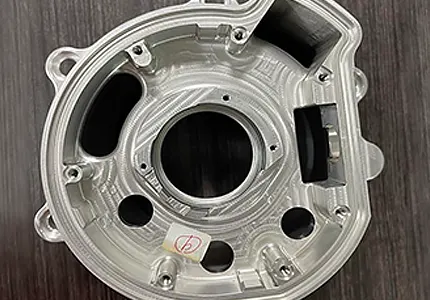
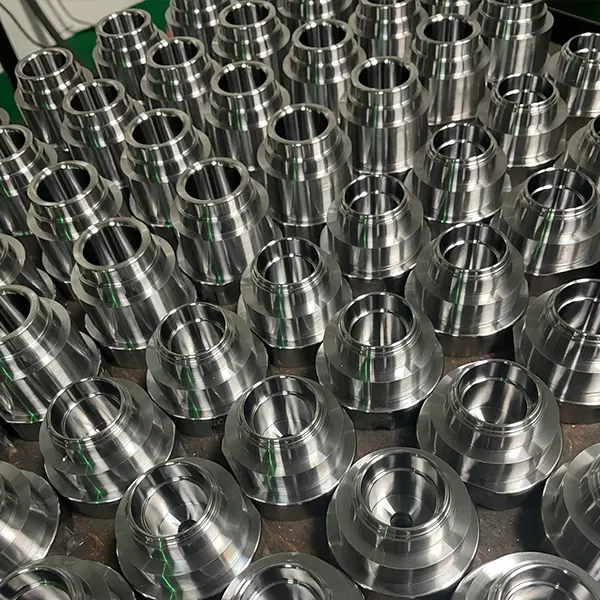
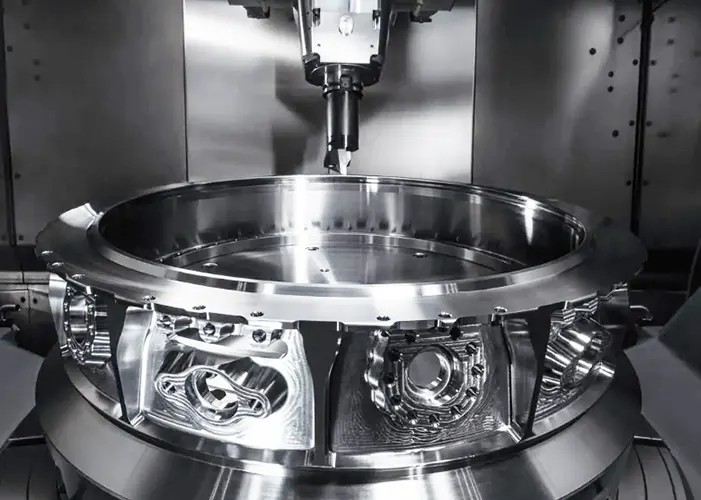
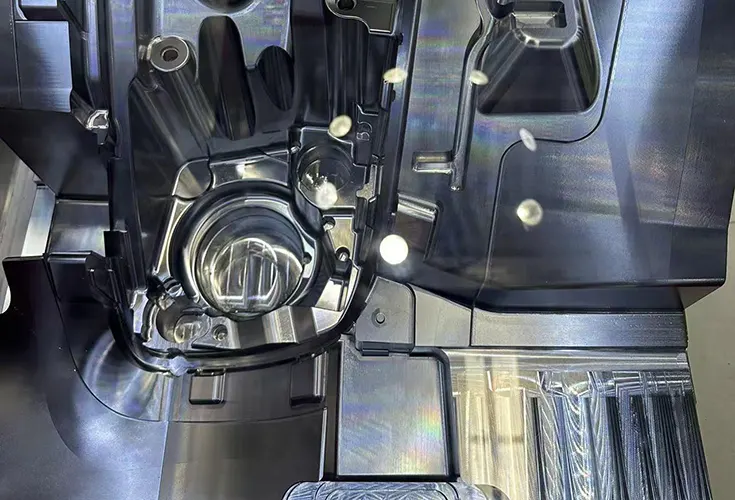
- Metalworking Industry: Flat bed machining centers are used to mill, drill, and shape metal parts for aerospace, automotive, and other industries.
Benefits of Using a Flat Bed Machine
There are several benefits to using a flat bed machine in manufacturing processes. Some of the key advantages include:
- Precision: Flat bed machines offer high precision and accuracy in machining, printing, or cutting operations, resulting in high-quality products.
- Versatility: Flat bed machines can be used for a wide range of applications and materials, making them versatile and cost-effective for various industries.
- Efficiency: Flat bed machines can automate and streamline manufacturing processes, reducing production time and labor costs.
- Quality Control: Flat bed machines provide consistent and repeatable results, ensuring product quality and consistency.
- Safety: Manufacturers design flat bed machines with safety features to prevent accidents and protect operators during operation.
Conclusion
Flat bed machines are essential equipment in modern manufacturing industries, offering precision, versatility, efficiency, and safety in a wide range of applications.
By understanding the components, applications, and benefits of flat bed machines, engineers in manufacturing backgrounds can leverage this technology to improve their production processes and deliver high-quality products to their customers.