
Why cast iron is used for machine beds?
TonZaMaking
The Benefits of Using Cast Iron for Machine Beds
When it comes to selecting the material for machine beds, engineers are faced with a plethora of options ranging from steel to composite materials. However, one material that has stood the test of time and continues to be a top choice for machine beds is cast iron.
Introduction to Cast Iron
Cast iron is a group of iron-carbon alloys with a carbon content greater than 2%. This high carbon content gives cast iron its distinct properties, making it ideal for a wide range of applications. In the context of machine beds, cast iron is a popular choice due to its superior damping properties, thermal stability, and machinability.
Superior Damping Properties
One of the key reasons why cast iron is used for machine beds is its superior damping properties. Damping is the ability of a material to absorb vibrations and dissipate the energy as heat.
In machining operations, vibrations can lead to poor surface finish, tool wear, and reduced machining accuracy. By using cast iron for machine beds, engineers can minimize vibrations and enhance the stability of the machine tool.
Thermal Stability
Another important factor to consider when selecting a material for machine beds is thermal stability. Cast iron has excellent thermal conductivity, which allows it to dissipate heat generated during machining operations quickly.
This helps to maintain a consistent temperature across the machine bed, preventing thermal distortion and ensuring precise machining results.
Machinability
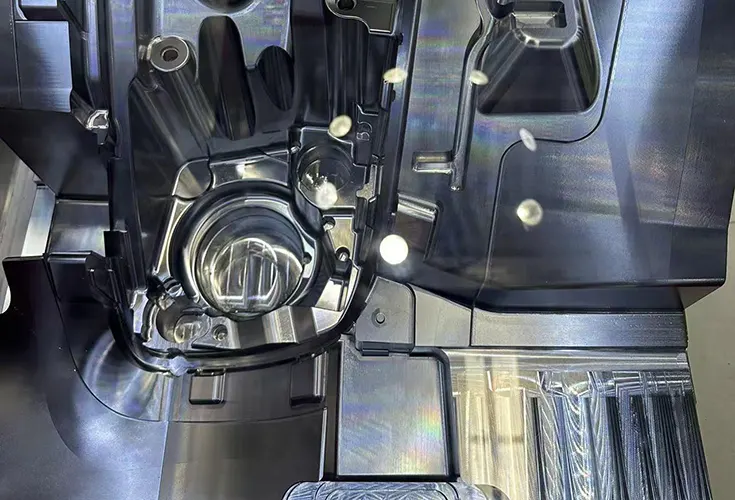
Cast iron is known for its machinability, making it easy to work with during the manufacturing process. It can be easily cast into complex shapes and machined to tight tolerances, allowing for the production of custom machine beds that meet specific design requirements.
Additionally, cast iron has good wear resistance, prolonging the lifespan of the machine bed and reducing maintenance costs in the long run.
Comparison with Other Materials
While cast iron offers a range of benefits for machine beds, it is important to compare it with other materials to make an informed decision.
Steel, for example, is a common alternative to cast iron for machine beds. While steel is strong and durable, it lacks the damping properties and thermal stability of cast iron.
Composite materials, on the other hand, offer lightweight options but may not provide the same level of stiffness and stability as cast iron.
Conclusion
In conclusion, cast iron continues to be a popular choice for machine beds in manufacturing applications due to its superior damping properties, thermal stability, and machinability. By selecting cast iron for machine beds, engineers can improve machining accuracy, reduce vibrations, and enhance overall machine performance.
While other materials may offer certain advantages, cast iron remains a top choice for its unique combination of properties that are essential for high-precision machining operations.